When the nervous system stays active, it often responds to simple, steady cues. Physical signals help because they do not require effort or interpretation. They give the system something clear to follow and can shift its momentum.
What helps in these moments is not more analysis. Regulation tends to come from inputs the nervous system recognizes: rhythm, sensation, repetition, and structure. The approaches below use these elements in practical ways.
Emotional Freedom Technique (EFT / Tapping)
EFT is often used when the system feels overstimulated. The method pairs gentle, rhythmic tapping with brief verbal statements. The tapping provides a bilateral pattern the nervous system can follow. The verbal component helps anchor attention without asking the body to revisit stressors.
People often use EFT when:
thoughts become repetitive
physical tension rises without a clear cause
breathwork feels difficult
For guided sessions, many turn to YouTube practitioners such as Brad Yates, Julie Schiffman, and The Tapping Solution. These formats offer structure when the system has little capacity to organize steps.
Breath Pacing and Visual Anchoring
Breath pacing shifts attention from “how you feel” to a simple, repeatable pattern. You follow a count rather than regulating from the inside.
A basic option:
inhale for four
exhale for six
The goal is a steady rhythm. Comfort matters more than depth.
A visual anchor works in the same way. A light that brightens and dims or a shape that expands and contracts can set the pace for each breath cycle. The external cue keeps the breath from tightening under pressure.
People use paced breathing when:
their breath becomes shallow
inward focus increases discomfort
they want to slow down without managing technique
The predictability—not intensity—is what supports regulation.
Gentle Orienting and Sensory Input
When the nervous system remains on alert, it often scans for threat even in safe environments. Orienting shifts that pattern by giving the system concrete information from the present moment.
You can try one or two simple steps:
Notice points of contact
Feel your feet on the floor, your back against a chair, or your hands on a surface.
Let your eyes move
Slowly look left, then right. This allows the nervous system to register space rather than search for danger.
Use basic sensory cues
Hold something warm or cool, or feel a texture with your hands.
People use orienting when they feel “on guard,” when thoughts race ahead, or when breathwork does not help. These cues work because the nervous system responds to direct sensory data more readily than to reassurance.
Physical tools can also help when the nervous system has trouble settling. These tools add structure, rhythm, or steady sensory input. They do not replace other practices, but they can offer another way to interrupt tension and guide the body toward a calmer state.
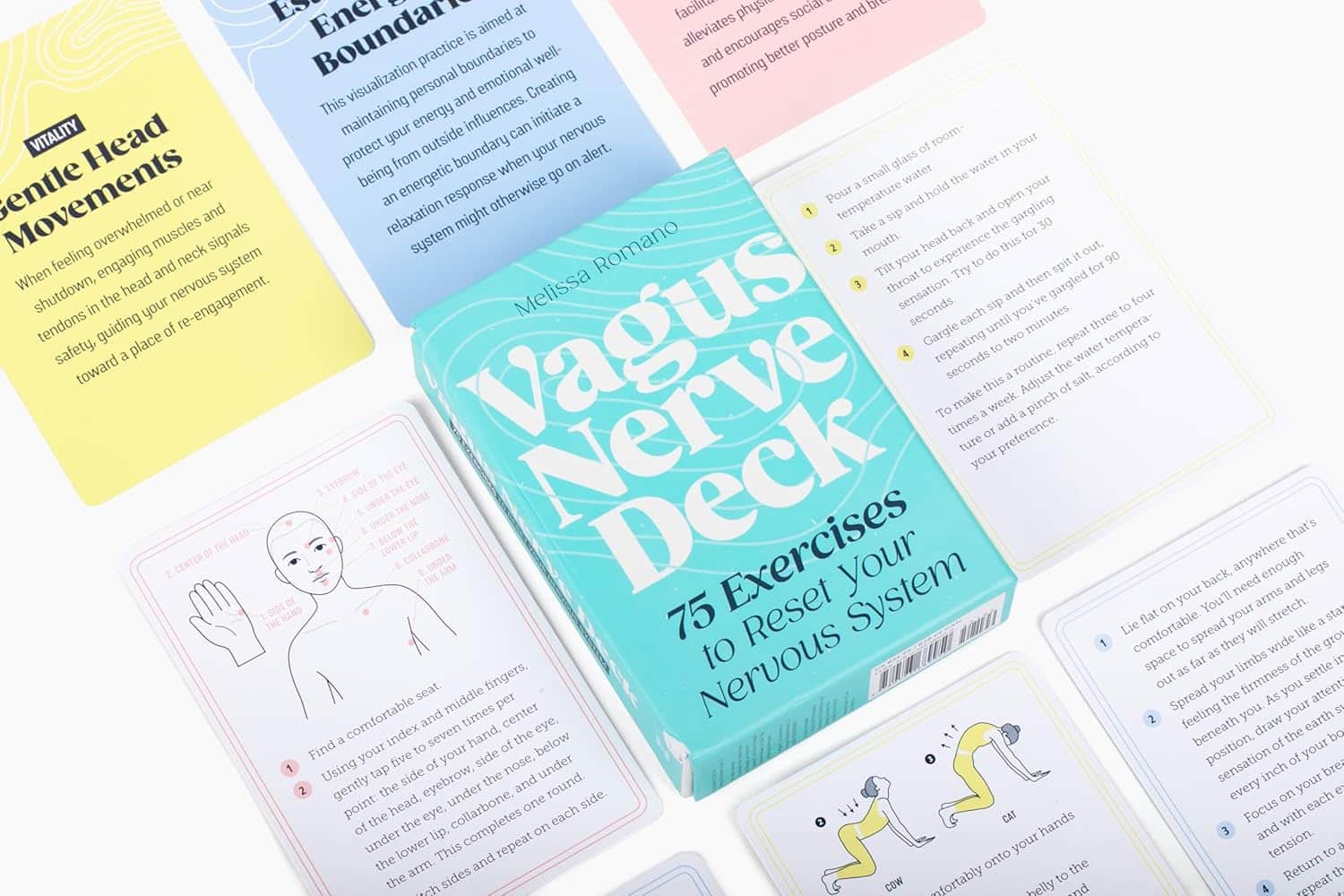
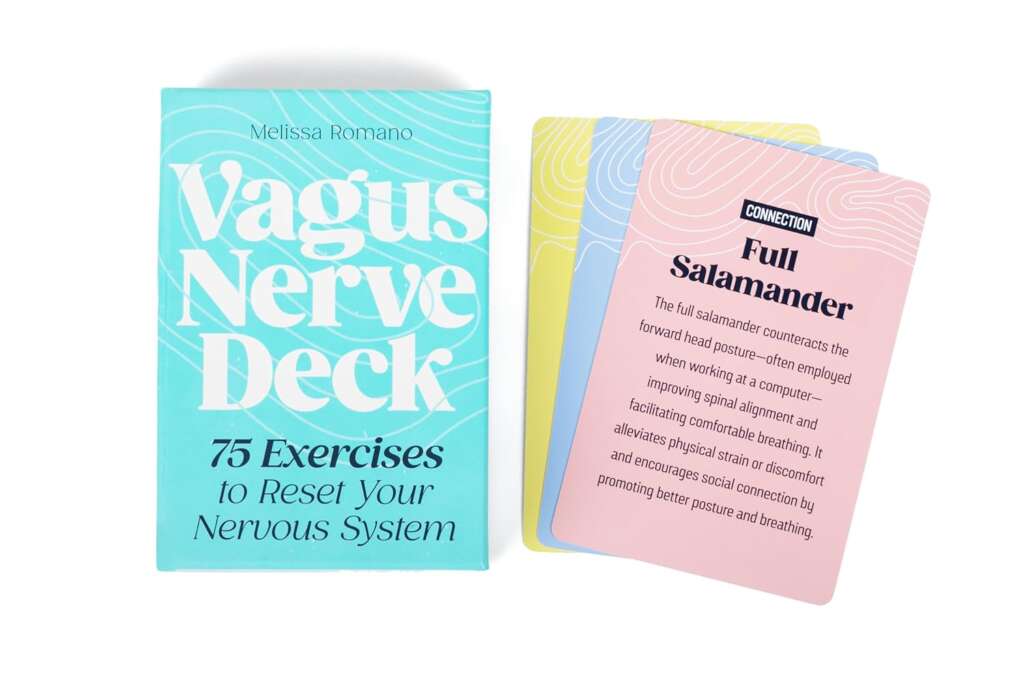
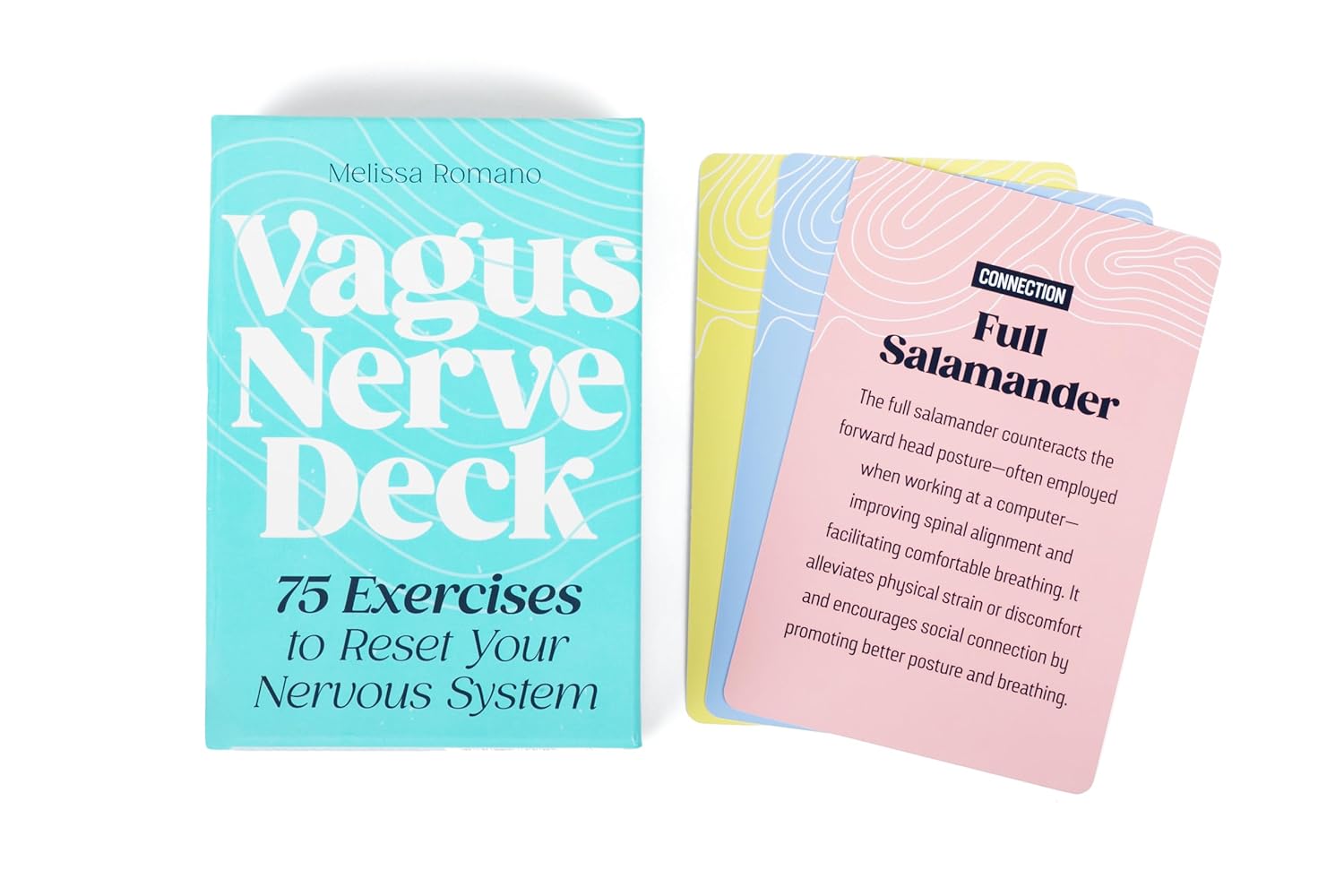
Vagus Nerve Deck by Melissa Romano
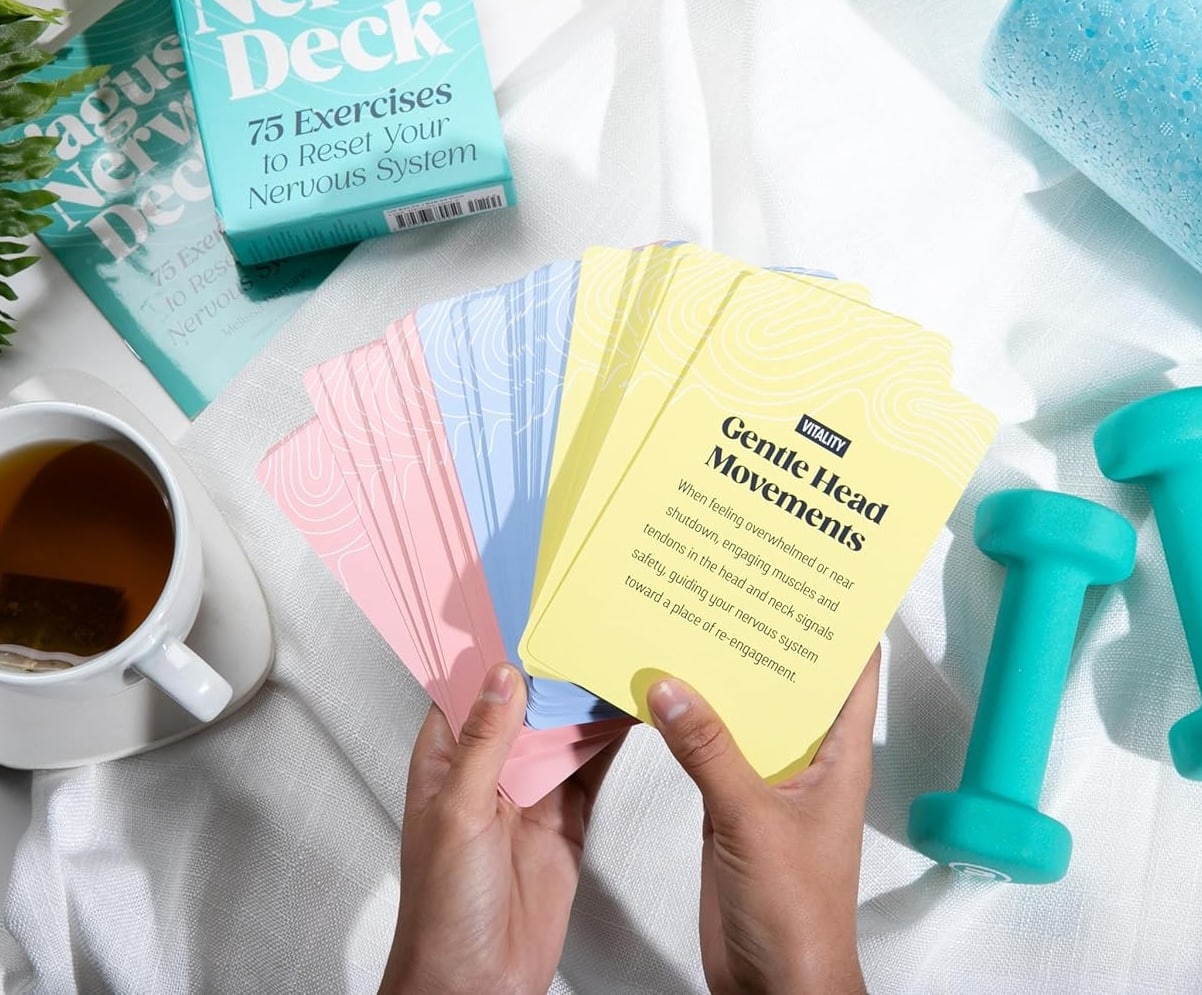
The Vagus Nerve Deck is a set of short exercises designed to support nervous system regulation. Each card offers one clear action, such as breath, gentle movement, sound, or physical orientation.
People often use this deck when their system feels unsettled and deciding what to do feels difficult. Pulling a single card removes that step. The instruction is already chosen. You follow it and stop.
Reviewers often note that the cards are easy to understand and easy to use. The exercises are brief and do not require prior knowledge. Many mention that the deck is organized into simple categories, which helps match a practice to how the body feels in the moment.
The deck works by keeping the process simple. You take one card and follow one instruction. This makes it easier to use when your nervous system feels unsettled.
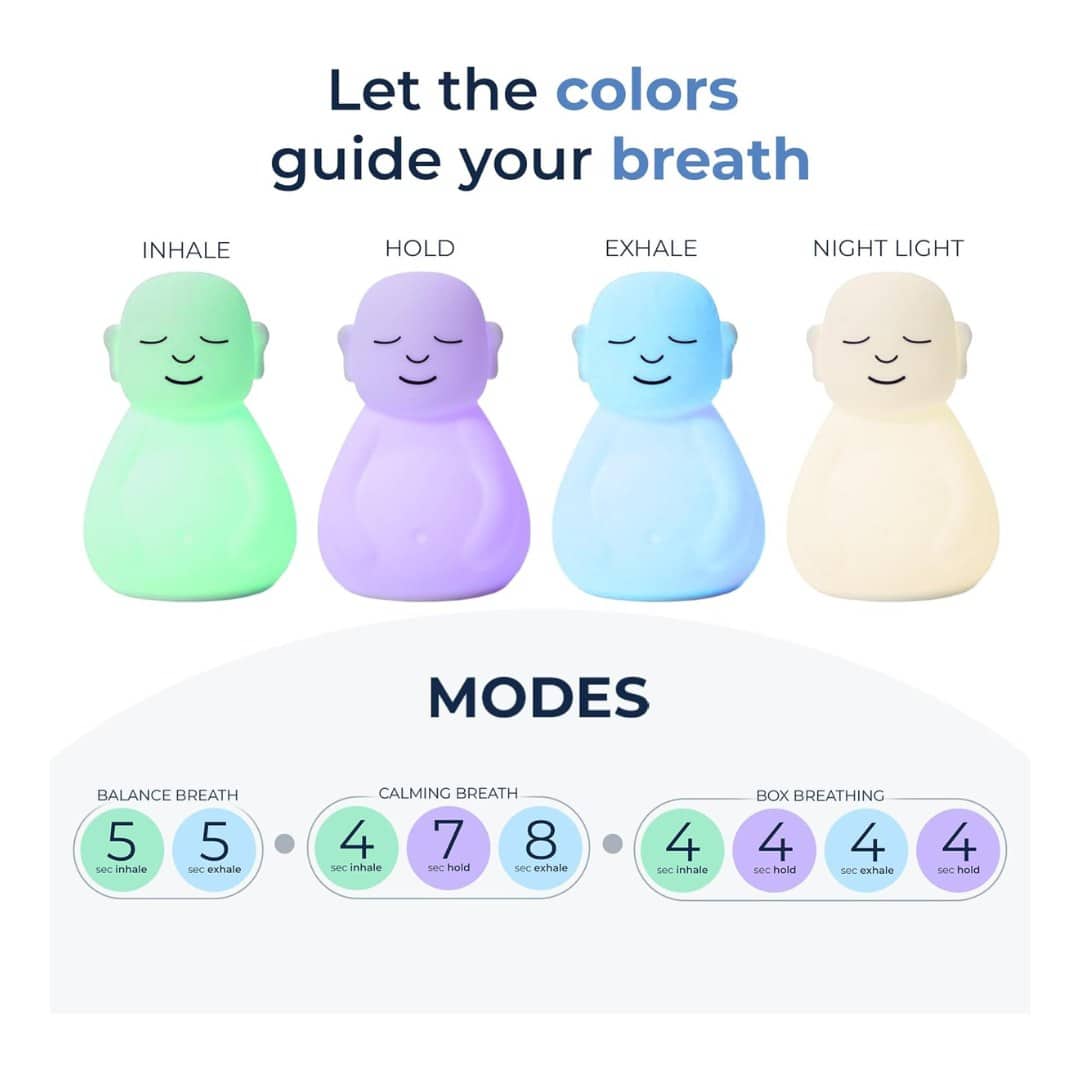
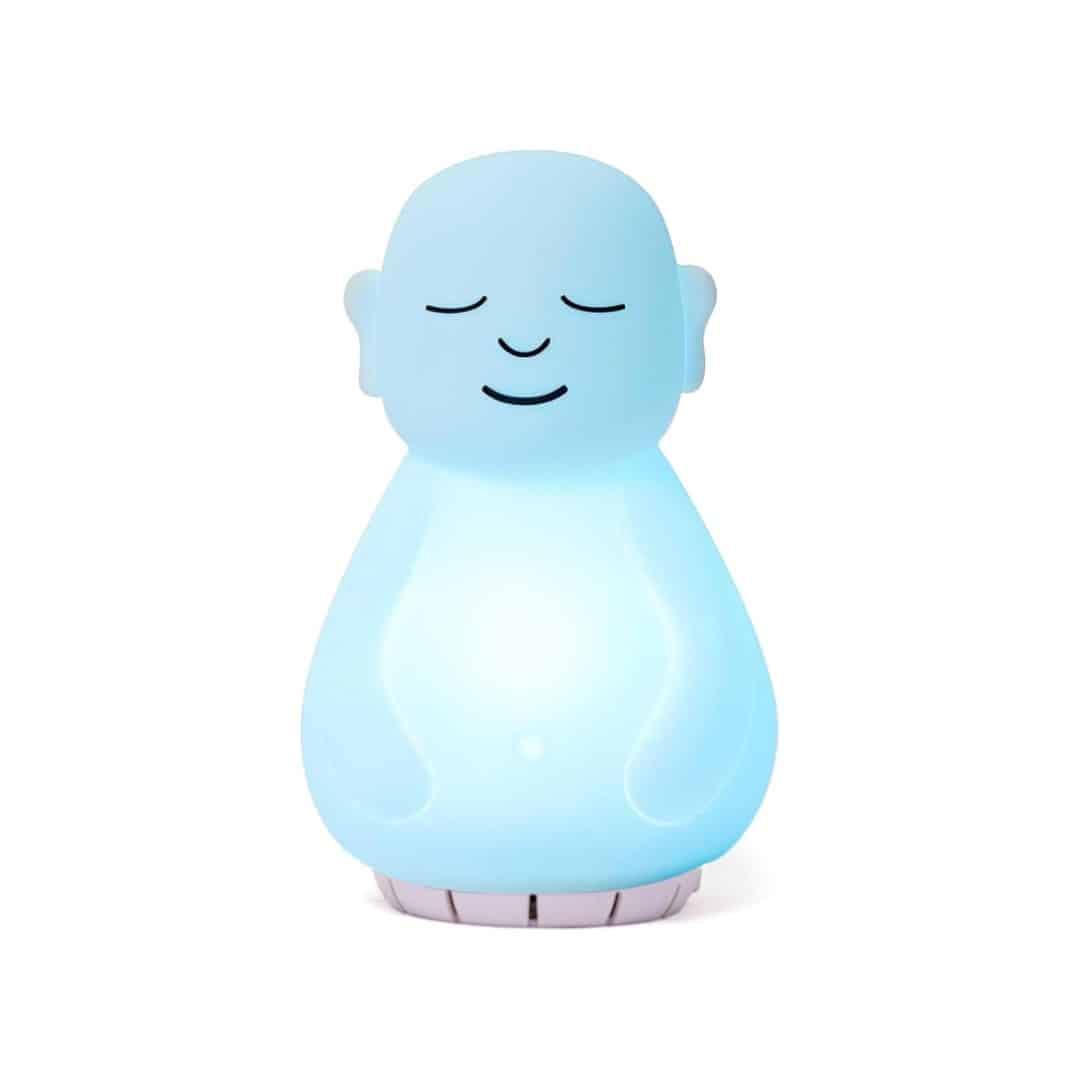
Breathing Buddha is a small visual breathing guide designed to help slow and steady the breath. The device changes color to cue each part of the breathing cycle. You follow the light instead of counting in your head.
It includes three breathing settings:
Balance breath (5/5): inhale for 5, exhale for 5
Calming breath (4/7/8): inhale for 4, hold for 7, exhale for 8
Box breathing (4/4/4/4): inhale for 4, hold for 4, exhale for 4, hold for 4
The colors guide the steps. One color signals inhale, another signals hold, and another signals exhale.
Reviews often mention that the light pattern makes it easier to stick with breathing techniques without overthinking timing. Many describe it as easy to use and helpful for winding down, including at night. Some also use it as a soft night light.
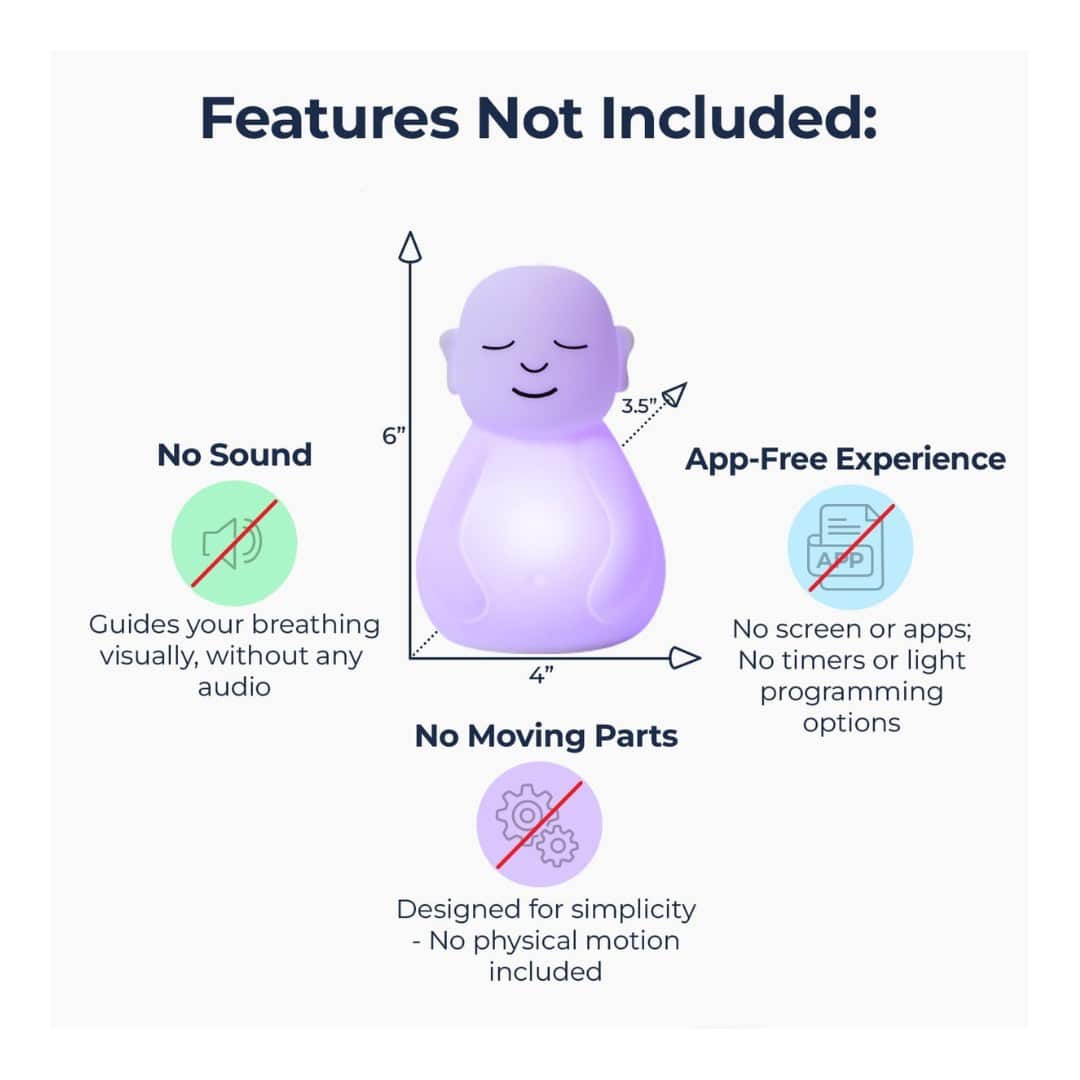
The device keeps things simple. It does not use sound or an app. You tap it to adjust brightness. It also shuts off on its own after a set time, which makes it easy to use as part of a routine.
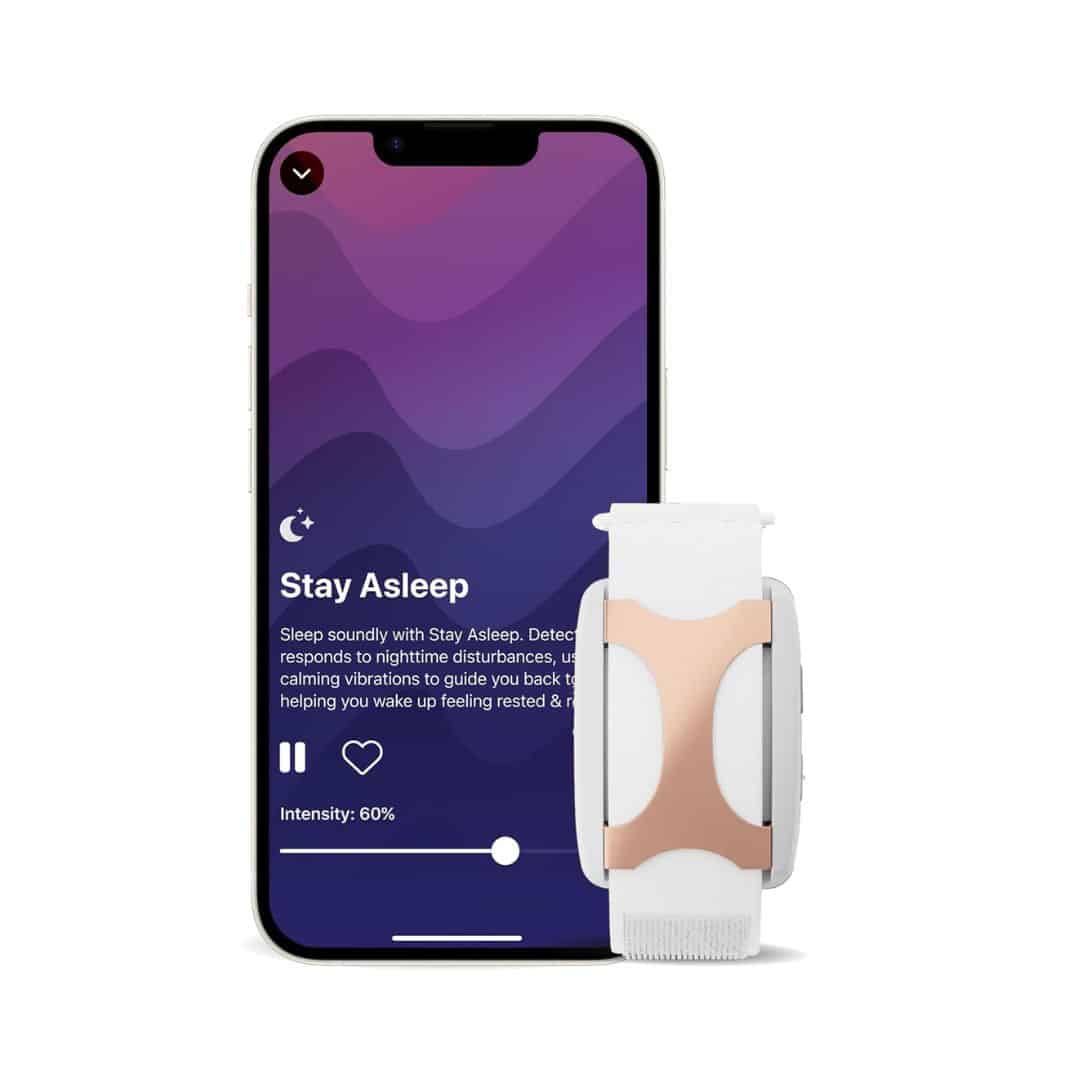
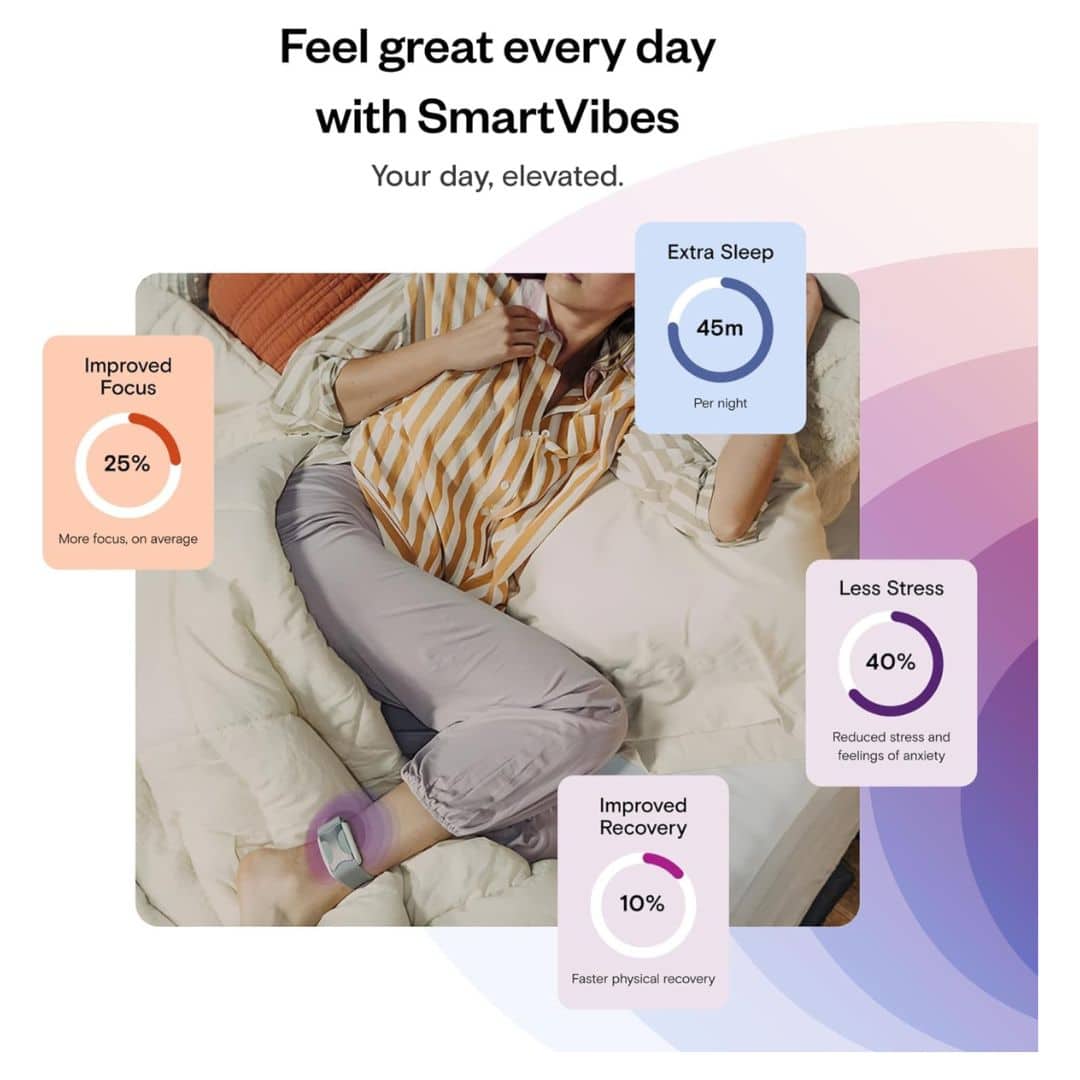
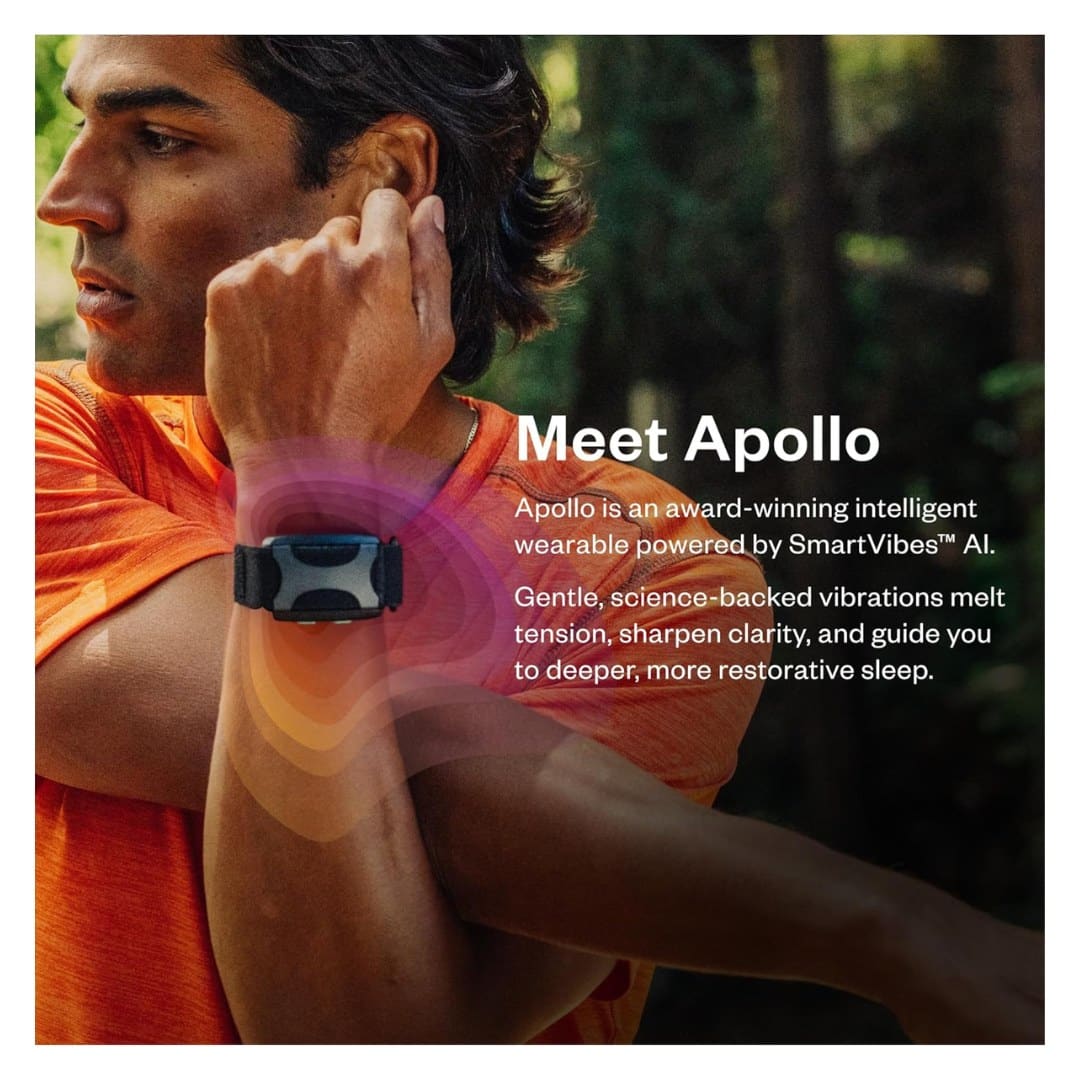
Apollo Neuro is a wearable device that delivers gentle vibrations designed to support nervous system regulation. You wear it on your wrist, ankle, or clipped to clothing. The device works alongside an app that lets you choose different vibration patterns based on what you want to support, such as sleep, focus, relaxation, or recovery.
The vibrations are subtle. They are meant to run in the background rather than demand attention. Many users describe the sensation as calming and easy to tolerate, even during sleep. The device is lightweight and designed for all-day or overnight wear.
Reviews often mention improvements in sleep quality over time, including falling asleep faster and waking less during the night. Others note that the device helps them feel calmer during the day or more settled during meditation. Several users point out that the effect builds with consistent use rather than happening instantly.
The app allows you to choose different modes and adjust intensity. Some users prefer wearing the device on the ankle, especially at night, while others use it on the wrist during the day. The device also integrates with tools like the Oura Ring and Apple Health, which some find helpful for tracking patterns over time.
Apollo Neuro is designed to be worn throughout the day or night, providing gentle sensory input without requiring attention or effort.
Feel free to share what you’ve noticed in your own system and what has been useful in the comment section below.
Some links are affiliate links. I only include tools I genuinely believe are supportive based on research, practitioner recommendations, or consistent user experience.




 Support The Blog