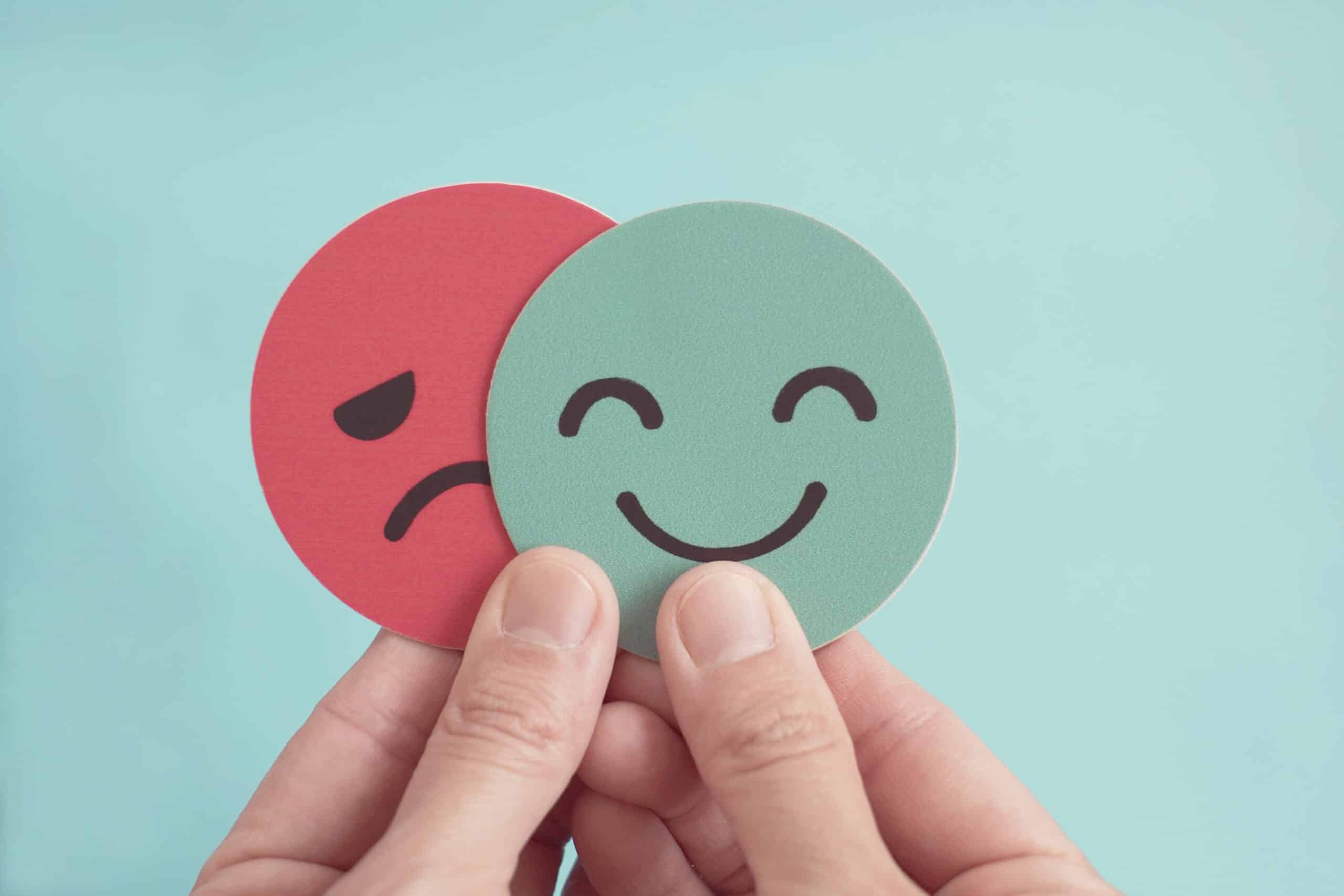
Trying to seem fine when you're not takes a lot of work, and hours of it can leave a person completely worn out. This article explains what masking fatigue is, why keeping an expression in place all day is so tiring, and what recovery looks like.
Masking is adjusting or hiding parts of yourself to fit what a situation expects. It takes continuous effort, and the exhaustion afterward comes from that effort. It usually shows up once you're finally alone.
What Masking Is
Masking is the work of managing how you come across: smiling when you feel disengaged, laughing on cue, hiding anxiety behind a calm face, holding opinions back, keeping your posture a certain way, and rehearsing sentences before saying them. Some of it is conscious, and a lot of it runs automatically after years of practice.
Almost everyone masks somewhere. A customer-facing job, a tense family dinner, and a first date all ask for a managed version of you. The mask itself isn't the problem, and sometimes it's protective for good reason. The problem is the effort it takes, especially when the mask rarely comes off.
Where the Term Comes From
Masking is discussed most in autistic and ADHD communities, where it has a specific meaning: monitoring, suppressing, or adjusting natural behavior to appear neurotypical, sometimes for an entire lifetime. Researchers who study it in autistic adults, where it's often called camouflaging, consistently describe it as exhausting and connect it to burnout and low mood.
The word has since spread to describe the broader social performance most people recognize, and this article uses it in that wider sense. The two aren't the same scale of experience, though. Masking a rough morning at one meeting is different from masking your entire way of moving through the world, and if the second one sounds like your life, the section near the end is for you.
Why Masking Is So Tiring
Masking means running two jobs at once. The first job is the conversation itself: listening, thinking, responding. The second is watching yourself have it: monitoring your face and voice, comparing them against what the room expects, and correcting in real time. That second job never pauses while the situation lasts, which is why a masked hour takes more out of you than an ordinary one.
It's also physical. Holding an expression involves actual muscles, and hours of a maintained smile, a controlled jaw, and managed posture add up the way any sustained muscular effort does. Part of what makes the end of a masked day feel so heavy is that the body has been quietly working the entire time.
What the research suggests
Two separate research areas point at the same conclusion. Studies of autistic adults describe camouflaging as one of the most draining parts of daily life, linked to exhaustion and burnout. And research on emotional labor in the workplace has found that surface acting, meaning displaying emotions you don't feel, predicts fatigue and burnout in customer-facing workers. Different fields, same finding: performing a feeling takes more effort than having one.
What Masking Fatigue Feels Like
- A wave of tiredness the second you're done performing
- Feeling worn out after an event where you seemed completely fine
- Irritability that shows up only once you're alone
- Crying once you get home, without knowing exactly why
- Resenting upcoming plans, even ones you happily agreed to
- Simple things like showering or making food feel like too much after socializing for too long
- Losing track of which reactions are yours and which ones are for the room
- Needing a lot of recovery time after events that looked easy
That last one confuses people the most. From the outside, nothing difficult happened. From the inside, you were working the entire time, and the tiredness comes from that work, even when the event looked effortless.
The Moment the Door Closes
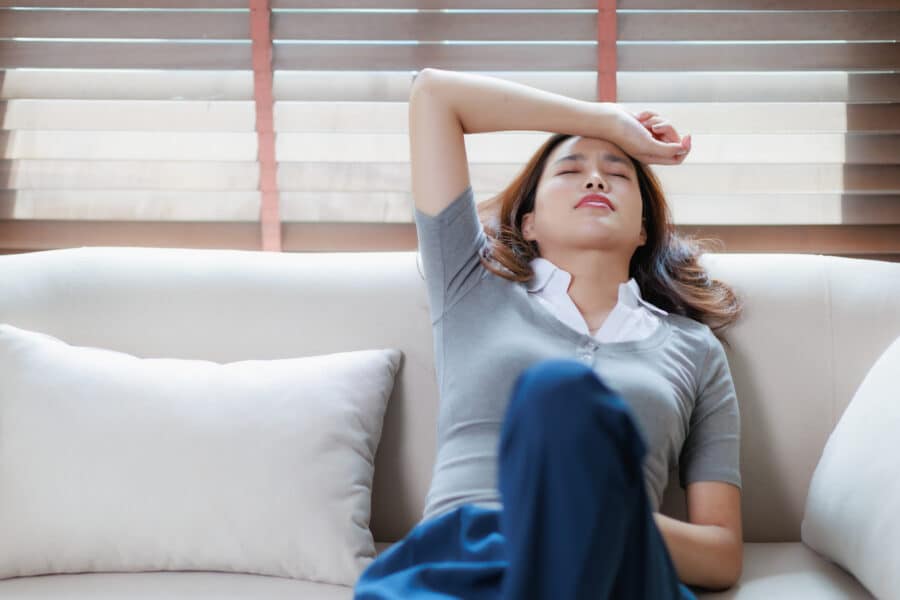
Masking fatigue has a signature moment: the first few seconds alone. The face lets go and the shoulders drop, and the tiredness arrives all at once. Some people describe it as deflating. Others go straight for comfortable clothes and easy food, because the deepest need after masking is doing things with no audience at all.
The crash often impacts the people at home. Someone can be patient and pleasant with strangers all day, then short with the people they love most. The reason is timing. Patience takes energy and a masked day uses most of it up, so by the time you walk in the door, there is very little of it left.
That crash is one of the three kinds of drain behind a social hangover, alongside sensory overload and emotional absorption. Masking drain is the one that recovers through having no one to perform for, even more than through quiet.
When It Might Be More Than a Habit
For some people, masking isn't an occasional social tool. It has been running since childhood, and the exhaustion from it shapes every week. Quite a few adults first explore an ADHD or autism assessment because the masking fatigue became impossible to ignore, long before they connected it to anything else.
If your masking feels lifelong and total, if you're not sure who you are without it, or if the recovery time after ordinary socializing keeps growing, that's worth exploring with a professional who understands neurodivergence. This isn't a diagnosis anyone can make from a blog post. It's a pattern worth taking seriously.
How to Recover From Masking Fatigue
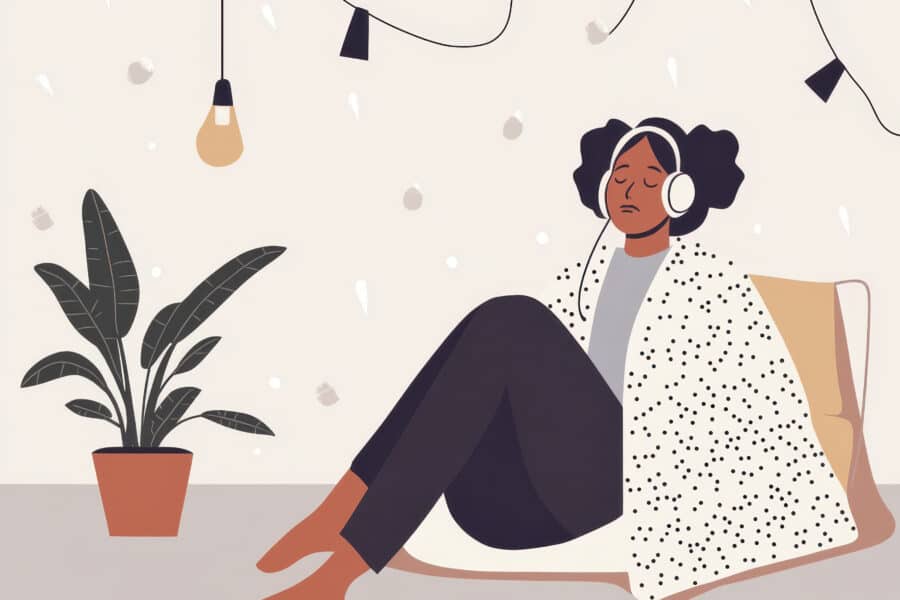
Recover with no audience. Masking drain doesn't recover through more managed time, even pleasant managed time. It recovers through doing things exactly the way you'd do them if nobody could see: the shower, the walk, the weird snack combination, the show you'd never admit to watching. The less curated the activity, the faster it works.
Let the body finish the job. The mask lives in muscles, so give them a clear ending. Let your face fully relax for a minute, unclench the jaw, roll the shoulders back and down, and take a few slow exhales that run longer than the inhales. A couple of the somatic exercises you can do at home are built for exactly this kind of release.
Plan the no-audience window in advance. If a masked event is on the calendar, put the recovery on the calendar too, even if it's twenty minutes. Knowing that window is coming makes the masked hours easier to get through, and it stops the crash from swallowing whatever you had planned next.
Find the places the mask can thin. Full unmasking everywhere isn't realistic, and in some settings the mask is doing necessary work. What helps is having at least one person or one space where less of it is required. Time there does more for you than the same hours anywhere else, and noticing which situations demand the heaviest mask tells you a lot about why socializing wears you out in the first place.
And if the evening ends with your mind replaying the performance, reviewing how you came across line by line, the causes and the fixes for that are covered in why conversations keep replaying in your head.
The Social Hangover Recovery Guide
A step-by-step guide for the hours after socializing, with a recovery routine made specifically for masking fatigue: what to do the moment the door closes, and how to reset the next morning.
Get the Recovery GuideLauren Sweeney is the founder of My Alchemy Within, where she writes plain-language, research-informed guides to nervous system recovery. Her work draws on published research and her own lived experience with an easily overwhelmed nervous system. She is not a therapist, and everything here is educational rather than medical advice. More on the About page.
This article is for education and general self-support. It is not medical or mental health advice, and it is not a substitute for care from a qualified professional. If you are in crisis or your symptoms are interfering with daily life, please reach out to a professional.

 Support The Blog