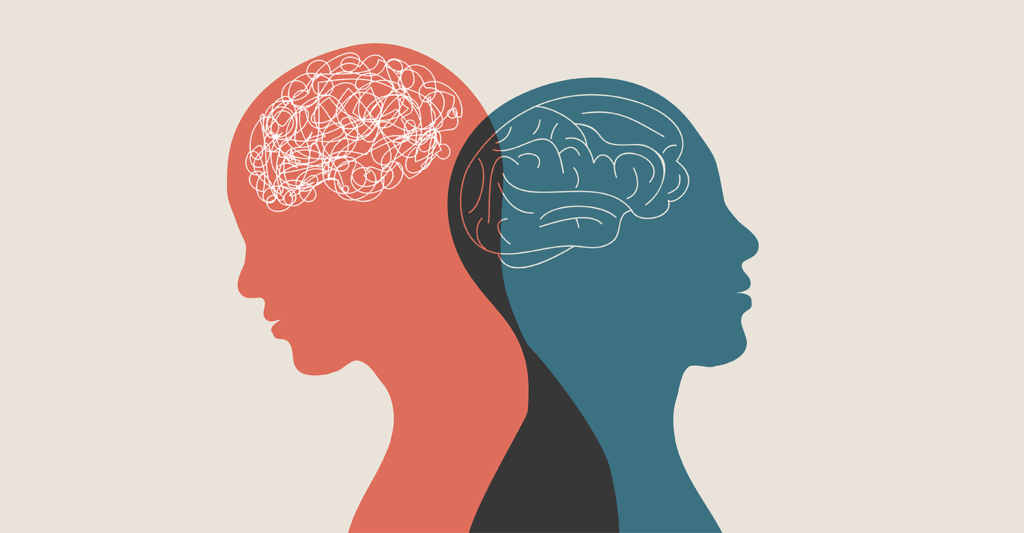
You’ve done the work. You understand why you scan rooms, why you absorb other people’s emotions, why socializing drains you. You can name the patterns, trace them back to their origins, and recognize when they’re running. But here’s the question that often gets lost in all that analysis: do you actually know what safety feels like?
Not the idea of safety. Not the intellectual understanding that you’re no longer in danger. But the felt experience of it. The sensation of your body truly at rest. The state where you’re not bracing, not scanning, not preparing for what might go wrong.
For many people who’ve lived in a vigilant state for a long time, this question draws a blank. They can describe what anxiety feels like, what hypervigilance feels like, what exhaustion feels like. But safety? That’s harder to locate. It might even feel unfamiliar. Strange. Uncomfortable.
If this resonates, you’re not alone. And this is the work of this part of the series: not just understanding what drains you, but learning what it actually feels like when your nervous system finally settles.
A NOTE
For years, my question in every situation was: Who do I need to be right now? I shaped myself around other people’s moods, other people’s needs, other people’s comfort. I didn’t realize I was doing it. It just felt like surviving.
Learning what safety felt like meant learning a different question: Who am I when I’m here, in my own body? It sounds simple. It wasn’t. But it changed everything.
Why Safety Feels Hard to Recognize
Most people understand the concept of safety, but not the felt sense of it. You can know intellectually that you’re fine and still feel tense, alert, or unsettled. This happens when your system learned to read the emotions of others before it learned to feel your own. Safety became something you watched for outside yourself, not something you experienced inside your body.
If you grew up in an environment where you needed to track other people’s moods, anticipate their reactions, or adjust yourself to avoid conflict, your nervous system developed a very specific skill: external orientation. You became attuned to subtle shifts in tone, facial expression, body language. You learned to read the room before you read yourself.
This pattern served you. It kept you safe when safety depended on knowing what was coming. But it also created a gap. While you were becoming an expert at tracking everyone else, you weren’t developing the same relationship with your own internal signals. Your body’s messages about what it needed, how it felt, whether it was okay got turned down or tuned out entirely.
The result is that safety can feel unfamiliar, even when it’s present. Your system doesn’t recognize it because it never got the chance to learn what it feels like.
Why Your Body Doesn't Trust Safety Yet
If you grew up in environments where unpredictability, tension, or emotional intensity were common, your body adapted. You stayed safe by scanning and adjusting. You read others before you read yourself. These adaptations taught your system a few things: being alert meant being prepared. Being attuned to others meant being safe. Being quiet or agreeable meant less conflict. Being yourself felt risky.
These patterns made sense in their original context. But they linger now, long after you no longer need them. They create a body that is alert even in calm moments, and unsure how to rest without bracing.
The good news is that the nervous system can relearn safety the same way it learned alertness: through repetition, small cues, and steady attention. Your body learned to be vigilant through consistent experience. It can learn to settle through consistent experience too.
The shift you’re looking for: From “How do I keep myself safe here?” to “What does my body need to stay connected to itself?”
What Safety Actually Feels Like
Safety in the nervous system isn’t a dramatic sensation. It’s not euphoria or bliss or even obvious relaxation. It’s quieter than that. More ordinary. It’s the absence of the low-level hum of threat that you may have grown so used to that you don’t even notice it anymore.
Signs your body is settling into safety:
- Your breath deepens without you trying to make it happen
- Your shoulders drop away from your ears naturally
- Your jaw unclenches without conscious effort
- Your belly softens rather than holding
- You feel present in your body instead of floating above it
- Your mind becomes quieter, less busy with preparation
- You can notice other people without needing to track them
- Other people’s emotions feel separate from your own
- You have access to what you need and want
- Time feels less urgent
These aren’t dramatic experiences. They’re subtle shifts. And at first, they might feel strange, boring, or even uncomfortable. That’s normal. When your system has been calibrated for vigilance, the absence of vigilance can feel like something is wrong.
Safety isn't something you achieve. It's something you recognize when the noise finally quiets enough to notice it.
How the Body Learns Safety
Your nervous system doesn’t relax because of a thought. It relaxes because of a signal. When you give the body clear, physical cues, the vagus nerve responds and the alert state softens. You can’t convince your body to feel safe. But you can show it, over and over, through simple physical actions.
SAFETY CUE ONE
A long, slow exhale
The exhale is the body’s natural signal that the threat has passed. When you lengthen your out-breath (making it longer than your inhale), you activate the parasympathetic nervous system and tell your body it’s okay to settle. This isn’t about controlling your breath. It’s about gently extending the exhale and letting your body receive the signal.
SAFETY CUE TWO
Feeling your feet on the ground
When you’re in a vigilant state, your attention tends to float upward and outward, scanning for threat. Bringing your awareness down into your feet, feeling the floor beneath you, grounds your attention in your body instead of in the environment. It’s a simple redirect: from scanning to sensing.
SAFETY CUE THREE
Dropping your shoulders
Most people carry their shoulders closer to their ears than they realize, especially when activated. Consciously dropping your shoulders, letting them release away from your neck, interrupts the bracing pattern. It tells your body that you’re not preparing for impact.
SAFETY CUE FOUR
Softening your gaze
Vigilant eyes are narrow and focused, tracking for movement or threat. Soft eyes are relaxed, with a wider peripheral field. Intentionally softening your gaze, letting your eyes rest instead of search, sends a direct signal to your nervous system that you don’t need to be on alert.
SAFETY CUE FIVE
Orienting to your environment
Slowly looking around the room, taking in what’s actually present, helps your nervous system confirm that you’re in the current moment, not the past. This isn’t anxious scanning. It’s curious, unhurried observation. Your system is checking: Where am I? Is there anything I need to respond to right now? Usually, the answer is no.
These cues work because they bring you back inside yourself. They interrupt the pattern of leaving your own body to track someone else. They give your nervous system the evidence it needs: right now, nothing bad is happening.
A Daily Safety Practice
Choose one of the safety cues above. Practice it for 30 seconds, three times a day, when you’re already relatively calm. This teaches your body to associate the cue with settling.
After a week or two, you can begin using the cue in moments of mild activation, noticing how it affects your state. Over time, you’re building a new pattern: your body learning that it has options other than vigilance.

What Changes When Safety Returns
As you practice these cues consistently, you may notice changes that are small but meaningful. Your breath deepens without effort. Your posture feels less rigid. Your mind becomes quieter. You feel engaged but not on guard. You can track your needs without shutting down. Other people’s emotions feel separate from your own.
This shift changes the way you move through the world. Conversations feel easier. Boundaries feel clearer. You show up more fully because you’re no longer leaving yourself behind to maintain harmony or manage other people’s states.
Perhaps most importantly, your internal question shifts. Instead of “Who do I need to be right now?” you begin to ask “What do I actually feel? What do I need?” These questions become accessible because you’re finally present enough to hear the answers.
The Pace of Nervous System Healing
This work takes time. Your nervous system didn’t learn to stay on guard overnight, and it won’t unlearn that pattern overnight either. There will be days when you feel more settled and days when the old activation comes roaring back. That’s not failure. That’s the nonlinear nature of healing.
The goal isn’t to become someone who never feels activated. It’s to widen your capacity: to feel the activation without being consumed by it, to return to baseline more quickly, to have moments of genuine ease that gradually become more frequent and more accessible.
When safety becomes something you feel rather than something you chase, relationships become less draining, environments feel less threatening, and your nervous system finally gets the chance to rest.
Frequently Asked Questions
Why does relaxation sometimes make me feel worse?
When your body has been braced for a long time, relaxation can feel threatening. Softening means lowering your defenses. Slowing down means you might miss something. Your nervous system hasn’t learned that stillness is safe, so it interprets your attempts to relax as dangerous and ramps up activation to compensate. The solution isn’t to force relaxation but to approach it gradually, with small doses and gentle practices.
How do I know if what I'm feeling is safety or just numbness?
Safety and numbness can feel similar at first, especially if you’re not used to either one. The key difference is presence. In safety, you feel present in your body, aware of sensation, connected to yourself. In numbness, you feel disconnected, distant, like you’re observing from far away. If you’re unsure, try one of the safety cues and notice whether it brings you more into your body or whether you feel even more distant.
What if safety feels boring or uncomfortable?
This is extremely common for people who’ve lived in activation for a long time. Your system is calibrated for intensity, so the absence of intensity can feel wrong, boring, or even threatening. This doesn’t mean safety isn’t right for you. It means your nervous system needs time to adjust to a new baseline. With consistent practice, what feels boring will eventually feel peaceful.
Can I feel safe around people who used to trigger me?
Sometimes, yes. As your nervous system develops more capacity and you build internal safety, you may find that people who once felt overwhelming become more manageable. However, some people and situations may continue to feel activating, and that’s important information. Safety isn’t about learning to tolerate everything. It’s about being able to discern what genuinely supports you and what doesn’t.
How long does it take to feel safe in my body?
It varies significantly. Some people notice shifts within weeks of consistent practice. For others, especially those with longer histories of dysregulation, it takes months or years. The good news is that you don’t have to wait until you’re “fully healed” to feel the benefits. Even small moments of settling are meaningful, and they accumulate over time.
How to Be Around People Without Losing Yourself
You’ve learned why socializing drains you and what safety feels like. Now it’s time to put it all together: how to stay grounded around others without abandoning yourself. A new way of being with people that doesn’t cost you everything.
Want to stay connected to this work?
I share weekly essays, gentle tools, and quiet insights to support your healing.
No spam, ever.
Unsubscribe anytime. Your peace matters more than my list.
Want to stay connected to this work?
I share weekly essays, gentle tools, and quiet insights. No spam, ever.
Unsubscribe anytime. Your peace matters more than my list.
Share This Post


 Support The Blog