You’ve made it to the end of this series. You understand now why socializing drains you in ways it doesn’t seem to drain other people. You know about neuroception, about scanning, about absorption. You know why your body stays on alert even when your mind knows you’re safe. And you’ve started to learn what actual safety feels like in your nervous system.
But understanding isn’t the same as living it. The question that remains is: how do you actually show up differently? How do you be around people without disappearing into their needs, their moods, their energy? How do you stay connected to yourself while connecting with others?
This final part of the series is about integration. It’s about taking everything you’ve learned and building a new way of being with people. Not a performance. Not a strategy. Just a different foundation.
A NOTE
For most of my life, I thought the exhaustion was the price of connection. I thought that if I wanted to be around people, I had to accept that it would cost me something. I didn’t realize there was another option. That I could be present without being consumed. That I could care without carrying. That I could show up and still be here when I left.
Learning this changed everything. Not all at once. But slowly, interaction by interaction, I started to experience something different. And you can too.
Why Social Exhaustion Used to Feel Inevitable
When you lived in a pattern of hypervigilance, every interaction asked something of you. Even simple conversations pulled your focus outward. Your attention scanned, interpreted, and adjusted before you had a chance to notice your own needs. That’s why you felt tired after being around people. You weren’t socially weak. You were working.
These older patterns created predictable outcomes: you lost energy in rooms that looked calm from the outside. You felt responsible for other people’s reactions. You watched your words more than your internal cues. You needed recovery time after even easy interactions.
When your system works this hard, exhaustion becomes the identity. You begin to think this is just who I am. But it isn’t who you are. It’s who you had to be. And there’s a difference.
What Changes When You're No Longer in Survival Mode
As the body learns safety, something changes in daily life. Social moments no longer feel like puzzles to solve. You stop entering rooms with tension already building in your shoulders. You breathe more easily. You stay aware of the person in front of you without leaving your own center.
What regulated social interaction feels like:
- Slower, even if the conversation is fast
- Steadier, even if emotions run high around you
- Clearer, because your mind isn’t running surveillance
- Lighter, because you aren’t carrying the room
- Present, because you’re actually in your body
- Boundaried, because you can feel where you end
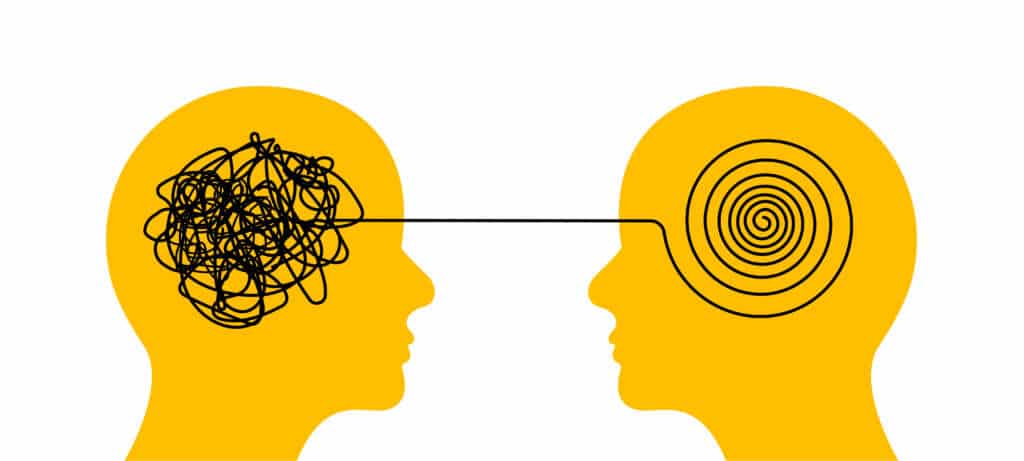
You can feel close to someone without absorbing their state. You can listen without taking responsibility for their emotions. You can stay present without being pulled under. This is what it feels like when your identity shifts from managing others to being yourself.
Building a New Social Identity
As you change the way you regulate, you also change the way you see yourself. The story you carried (“I’m someone who gets drained,” “I’m someone who needs recovery after every social event”) loosens. You start building a new story as your body gives you new evidence.
This new identity doesn’t come from affirmations or positive thinking. It comes from repeated experiences of being with people differently. Each time you notice you stayed in your body during a conversation, each time you left an interaction without feeling depleted, each time you set a boundary without guilt, you’re gathering evidence for a new way of being.
“I can stay with myself even when others feel big emotions.”
“I connect best when I’m grounded, not when I’m on alert.”
“I don’t need to fix how someone else feels to be safe.”
“My presence is enough.”
These aren’t things you have to believe right now. They’re things your body will teach you as you practice.
What Social Life Looks Like When You're Self-Connected
You begin choosing situations that match your real capacity. You stop forcing the version of yourself that used to protect you. Instead, you show up as the version that feels true.
Conversations feel easier because you’re not running background analysis. Conflicts feel less threatening because you’re not bracing for catastrophe. Connections deepen because you’re actually present for them, not floating above the interaction managing everyone’s experience.
You’re not navigating others while disconnected from yourself. You move through your life in a way that doesn’t drain you by default. This is the beginning of a new social identity, one grounded in regulation, not performance.
Questions to Ask Yourself After Social Interactions
As you build this new way of being, it helps to check in with yourself. After interactions, notice:
- Did I stay in my body, or did I leave to track someone else?
- What was my energy like before, during, and after?
- Did I notice my own needs, or only other people’s?
- Was there a moment I felt myself starting to merge? What happened?
- What helped me stay present?
These aren’t judgment questions. They’re data. Over time, you’ll start to see your patterns more clearly, which is the first step to changing them.
What You Can Expect Going Forward
This work isn’t linear. You’ll have days when you feel regulated and present, and days when the old patterns come back with full force. That’s not failure. That’s the nature of rewiring a nervous system.
What you’re building is capacity. The ability to notice when you’ve left yourself. The skill of returning to your body in the middle of an interaction. The recognition of what drains you and what sustains you. The courage to make different choices based on that information.
Over time, the shifts become more stable. What felt like effort starts to feel like ease. What felt like a strategy becomes a way of being. And the question changes from “How do I survive this interaction?” to “How do I want to show up?”
You no longer confuse peace with pleasing others. You learn that peace is something you feel in your body, not something you earn.
Track Your Patterns with the Social Energy Map
Now that you understand your nervous system’s patterns, you’re ready to track them in real time. The Social Energy Map is a daily tracker designed to help you see what drains you, what stabilizes you, and what recharges you.
This isn’t about analyzing yourself into the ground. It’s about gathering information so you can make choices that support you. When you can see your patterns clearly, you can work with them instead of being run by them.
Free Worksheet: Social Energy Map
A daily tracker to help you notice your energy before, during, and after social interactions. See what drains you, what stabilizes you, and what brings you back to yourself.
For the best experience: Download the PDF and open it in Adobe Acrobat Reader (free) to access the interactive checkboxes and form fields.
Free Worksheet: Social Energy Map
A daily tracker to help you notice your energy before, during, and after social interactions. See what drains you, what stabilizes you, and what brings you back to yourself.
For the best experience: Download the PDF and open it in Adobe Acrobat Reader (free) to access the interactive checkboxes and form fields.
If You Remember One Thing
You were never too sensitive, too introverted, or too much. You were a nervous system doing exactly what it learned to do in circumstances that required vigilance. The scanning, the absorbing, the exhaustion, these weren’t character flaws. They were survival adaptations.
And now you’re learning something different. Not because the old way was wrong, but because you don’t need it anymore. You can be with people and stay with yourself. You can connect without disappearing. You can feel someone’s emotion without carrying it.
This is the work: not fixing yourself, but coming home to yourself. Again and again. Until it becomes the most natural thing in the world.
Want to Go Deeper?
The Emotional Alchemy Workbook includes 66 pages of body-based practices, daily check-ins, and gentle tools to help you build on everything you’ve learned in this series. It’s designed for nervous systems that need a gradual, patient approach.
Frequently Asked Questions
Will I always need to "work" at this?
At first, yes. Noticing patterns, returning to your body, making conscious choices about how to show up takes energy. But over time, what feels effortful becomes more automatic. The regulated state becomes your baseline rather than something you have to reach for. Most people find that within months of consistent practice, being present feels less like work and more like rest.
What if some relationships still drain me even after all this work?
That’s important information. Not every relationship will feel nourishing, and not every person will be someone you can be relaxed around. As you become more attuned to your own energy, you’ll get clearer about which connections support you and which don’t. Sometimes the answer isn’t learning to tolerate a draining relationship. It’s recognizing that you don’t have to.
How do I explain this to people who don't understand?
You don’t have to explain it to anyone. You can set boundaries, make choices, and show up differently without offering a full nervous system education. If you want to share, you might say something like: “I’ve been learning about how my body responds to social situations, and I’m being more intentional about my energy.” But your understanding is for you. It doesn’t require validation from others.
What if I've already damaged relationships with my old patterns?
Patterns can shift, and relationships can heal. As you change, some relationships will naturally shift with you. Others may need direct conversation. And some may not survive the change, which can be painful but is sometimes necessary. The most important thing is that you’re not the same person who created those patterns. You’re learning something new, and that changes what’s possible.
How do I know if I need more support than this series can provide?
If you find that despite consistent practice, you’re still struggling significantly, or if the material here brings up trauma that feels unmanageable, working with a therapist trained in somatic or nervous system approaches can be helpful. This series is educational and supportive, but it’s not a replacement for therapeutic work when that’s what’s needed. There’s no shame in getting more support.
About The Author
Lauren created Alchemy Within after navigating her own experience with chronic stress, social fatigue, and feeling overwhelmed. Through research and lived experience, she focuses on understanding how the nervous system responds to everyday stress. Her work is centered on helping others feel less alone and more supported as they learn to work with their bodies.
Want to stay connected to this work?
I share weekly essays, gentle tools, and quiet insights to support your healing.
No spam, ever.
Unsubscribe anytime. Your peace matters more than my list.
Want to stay connected to this work?
I share weekly essays, gentle tools, and quiet insights. No spam, ever.
Unsubscribe anytime. Your peace matters more than my list.
Share This Post


 Support The Blog